Democratic Republic of the Congo

1024-576-max
Democratic Republic of the Congo

National Alliance for the Support and Promotion of Indigenous and Community Heritage Areas and Territories in the DRC

Voices of the Congo’s Forests

An organization promoting recognition and governance of Indigenous and Community Heritage Areas in the Democratic Republic of Congo

ANAPAC DRC is a non-governmental organization (NGO) under Congolese law recognized by the Ministry of Justice through Decree No. 083/CAB/MIN/J&GS/2019 of January 21, 2019. Its mission is to promote the recognition, conservation, governance, and security of Indigenous and Community Heritage Areas in the Democratic Republic of Congo.

Our objective

To strengthen and secure the collective commitment and responsibilities of indigenous peoples and local communities for biodiversity conservation and sustainable lifestyles through appropriate support for APACS in the DRC.

Our vision

ANAPAC DRC dreams of a Congo where Indigenous Peoples and Local Communities with traditionally conserved living spaces, areas, and territories, deeply committed to their governance and sustainable management, develop a responsible partnership with the Congolese State and other stakeholders, strengthening and improving their living conditions.

Our mission

ANAPAC-DRC advocates for the promotion, enhancement, and legal recognition of APACs—Territories of Life and Community Conservation Areas governed and managed by Indigenous Peoples and Local Communities in the Democratic Republic of Congo.

Main areas of work

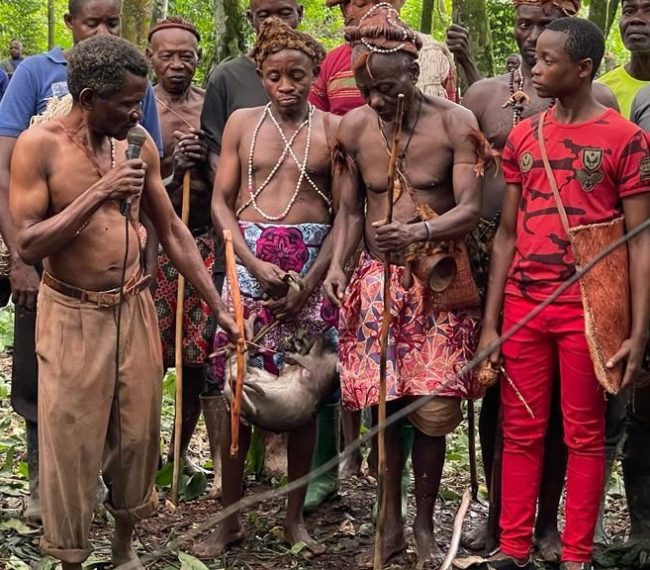
Since 2012, ANAPAC has been providing technical support and assistance to initiatives led by traditional indigenous and local communities or organizations working in the field of APACs.

This support strengthens and helps to secure the commitment of the peoples of these areas and their sustainable lifestyles, as well as the conservation of biodiversity in these APACs.

Guardians of the Living Territories

Achievements and Milestones

32 APAC sites identified and documented across 8 provinces (North Kivu, South Kivu, Maniema, Ituri, Kasai, Maindombe, Equateur, and Tshopo), of which 14 have been mapped and 5 already have official provincial CFCL deeds for conservation, 3 others have been secured through the law on the status of traditional chiefs, while the others are in the process of being documented with a view to obtaining official recognition.

The areas of these identified and mapped APACs cover 523,485.85 hectares of forest and are managed according to customary rules that also ensure the conservation of biodiversity.

Advocacy and lobbying efforts for the legal recognition of APACs have been underway since 2012 and are being consolidated through ongoing reforms in the DRC, at symposiums, conferences of the parties on biodiversity and climate change, workshops and meetings to mobilize stakeholders, etc.

ANAPAC has conducted several missions and workshops:

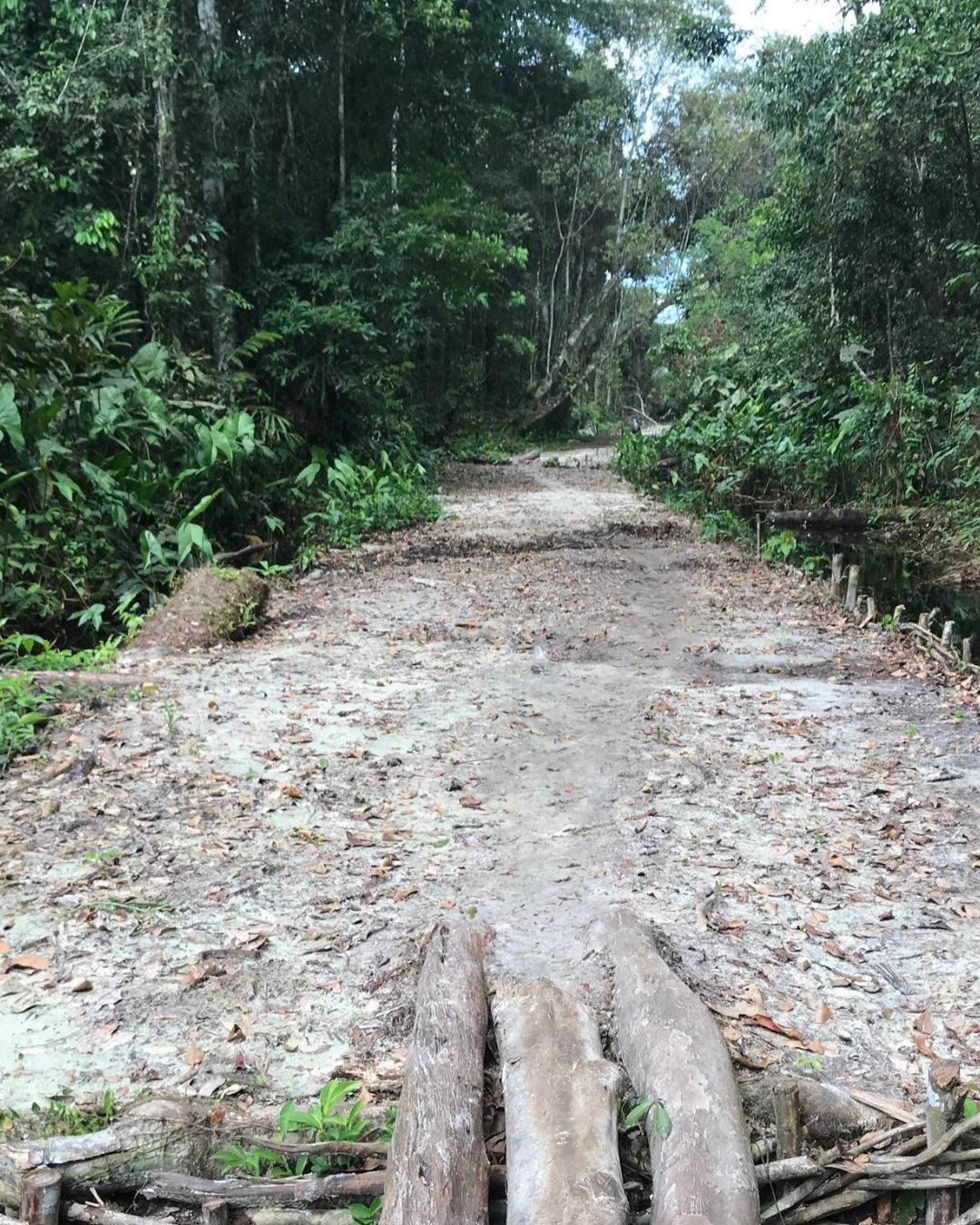
  1. Mission to explore and identify iconic sites of indigenous and community heritage areas and territories (APAC) in the province of Mai-Ndombe (see more)
  2. Mission to explore and identify the emblematic APAC site in the Pendjwa Sector, KIRI territory (see more)
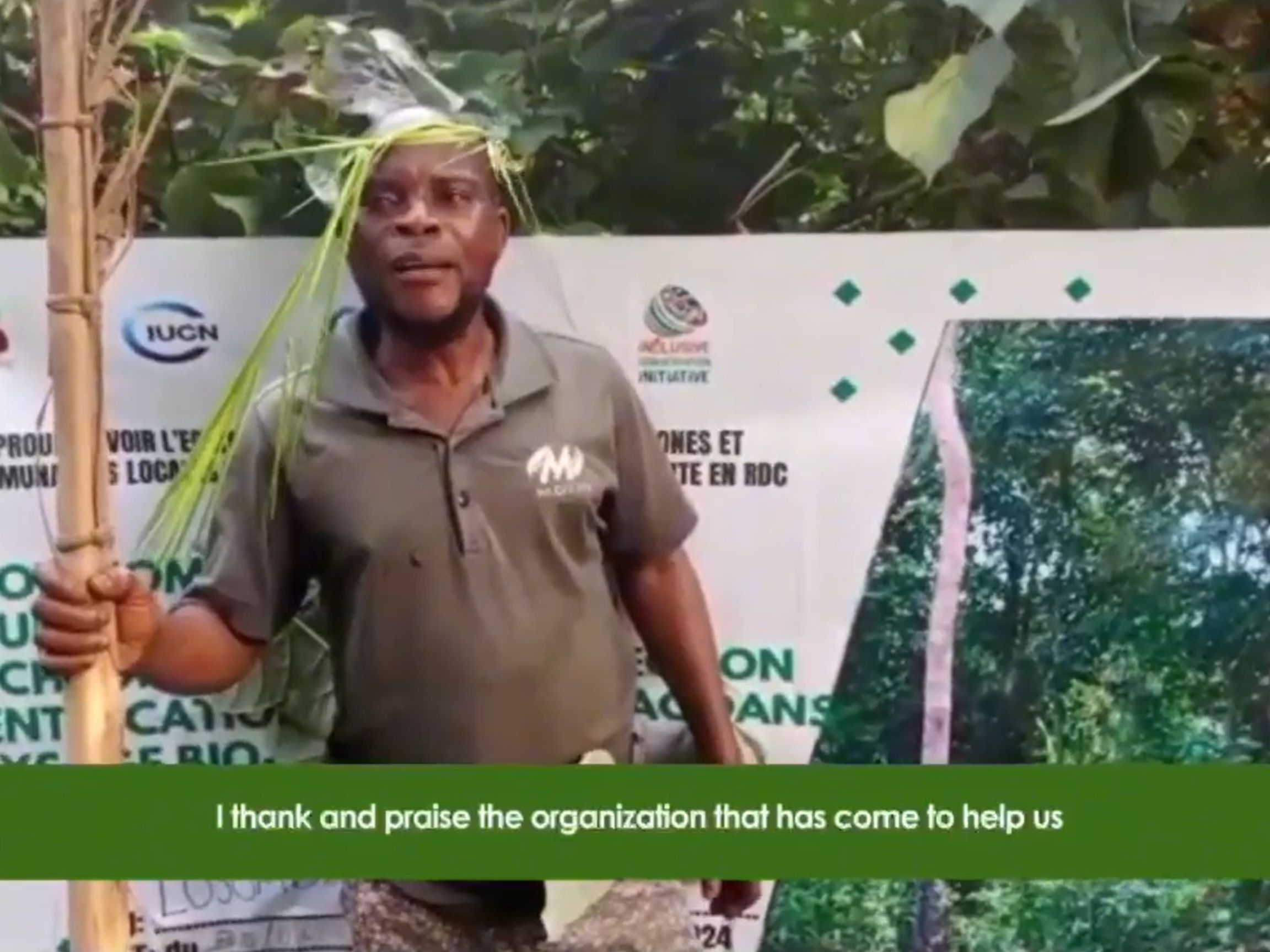
  3. National workshop to launch the Inclusive Conservation Initiative Project (see more)

Protecting the forests where life and wisdom thrive together

Biodiversity conservation by Indigenous Peoples

Links of interest:


Our path:

Since November 2012, the indigenous peoples of the DRC and other civil society actors have been committed to promoting and enhancing the heritage areas and territories conserved by indigenous peoples and local communities. This commitment was made during an information, exchange, analysis, and initial planning workshop for Indigenous and Community Heritage Areas and Territories (APAC) in the Democratic Republic of Congo (DRC). The concept and practice of APACs were discussed with representatives of indigenous peoples, representatives of the national committee of the Global Environment Facility Small Grants Program (GEF-SGP), the scientific community, and international NGOs most sensitive to the conservation of biological and cultural diversity.

This work to launch the APAC process in the DRC has raised awareness among indigenous peoples and local communities in the DRC and strengthened their determination to engage in the promotion, protection, and advocacy for their legal recognition through legal protection measures.

A roadmap and a declaration of commitment known as the “Kinshasa Declaration” were drawn up at the end of the proceedings.