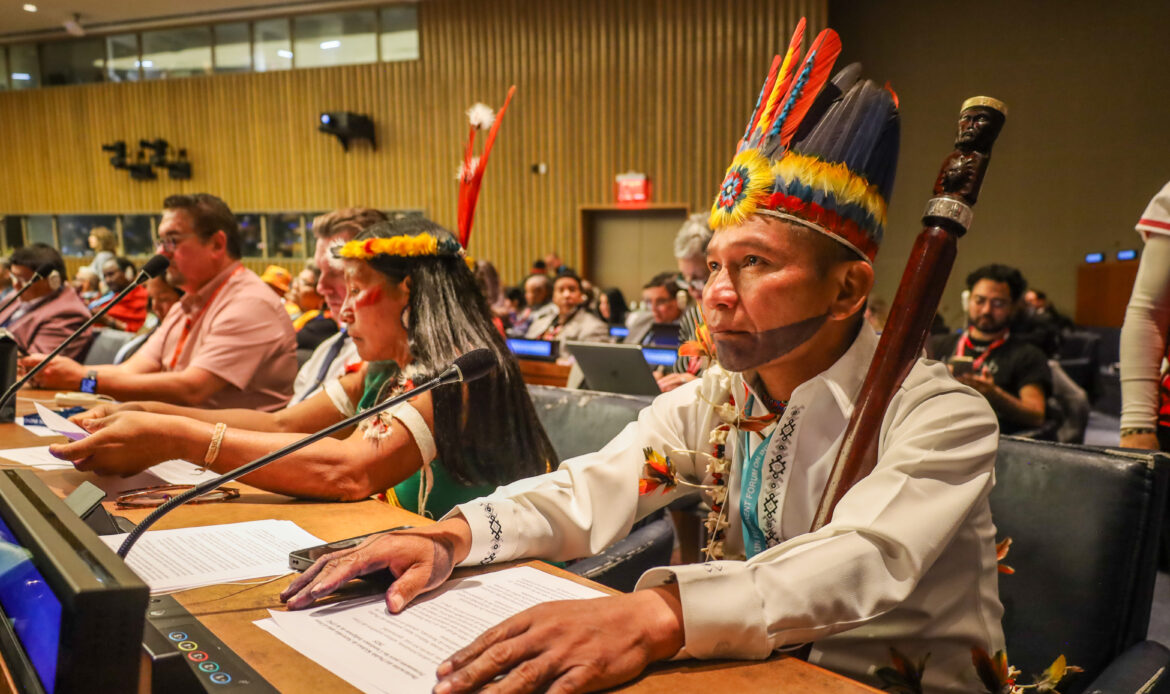
We are Indigenous Peoples with rights and dignity!
Indigenous Peoples Rights International (IPRI) is a legally registered, non-profit global Indigenous Peoples’ organization that works to protect and advance Indigenous Peoples’ rights, and to unite and amplify the call for justice for victims of criminalization and impunity.
Established in 2019 by two renowned Indigenous activists and human rights advocates — Victoria Tauli-Corpuz, former UN Special Rapporteur on the Rights of Indigenous Peoples, and Joan Carling, UN Champion of the Earth Awardee — IPRI leads and coordinates the Global Initiative to Address and Prevent the Criminalization, Violence, and Impunity against Indigenous Peoples.
IPRI is registered in the Philippines (SEC No. CN201973253) and in the United States as Indigenous Peoples Rights Inc., a 501(c)(3) nonprofit corporation (EIN: 86-1737122).
What We Do
IPRI works to end the criminalization of Indigenous Peoples and their defenders, strengthen Indigenous leadership and participation, and ensure justice, protection, and accountability.
Our work combines research, documentation, legal defense, advocacy, and communication through a global network of regional focal points and partners.
Our vision:
Our mission:
0k
Indigenous defenders and communities supported
0
countries united in the Just Transition Declaration
0+
Volunteers Involved
0+
Animals Save Country
Where We Work
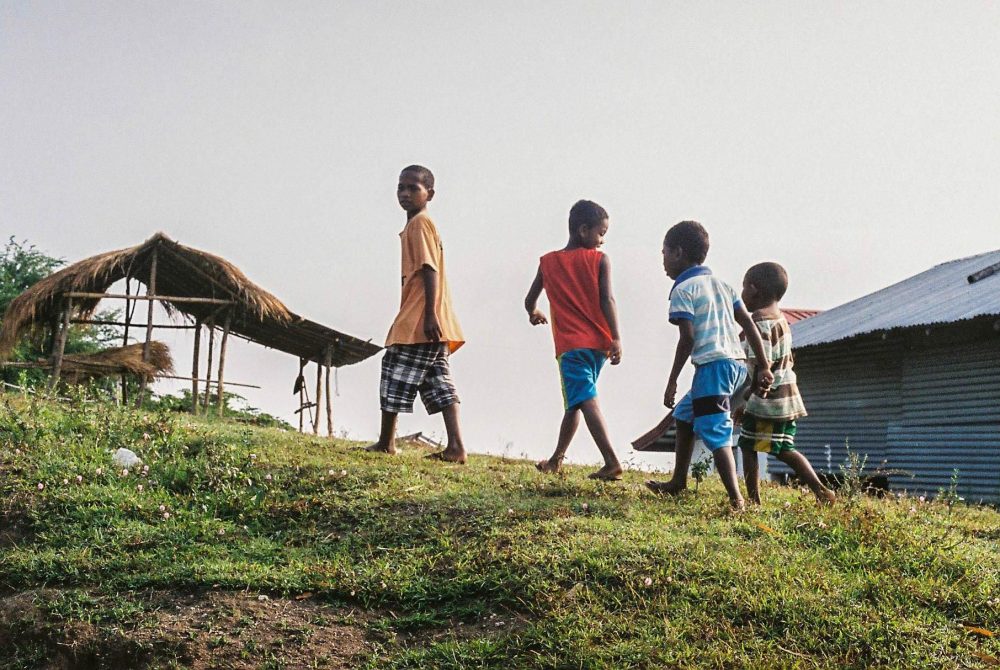
Research & Evidence
Understanding patterns to drive change.
Our Research area generates evidence-based analysis on the criminalization of Indigenous Peoples and their defenders.
Working with Indigenous researchers and partners, it produces studies that reflect realities on the ground and identify global trends.
The Criminalization Database, developed under this area, documents verified cases and helps reveal structural patterns and systemic risks.
Research provides the foundation for IPRI’s advocacy, communication, and training — ensuring that our actions respond to lived experiences.
Documentation & Regional Focal Points
From local realities to global visibility.
Through our focal points in Asia, Africa, and Latin America & the Caribbean, IPRI documents cases of criminalization directly from Indigenous territories.
These regional teams verify information, support local advocacy and communications, and connect communities with legal and emergency support.
Their documentation informs IPRI’s global advocacy and contributes to building solidarity and accountability across regions.
Legal Defense and Sanctuary Fund (LDSF)
Rapid support for defenders at risk.
The LDSF provides emergency financial and legal assistance to Indigenous defenders facing criminalization, violence, or forced displacement.
Beyond immediate response, the Fund strengthens long-term community defense and protection strategies.
Advocacy & Legal Engagement
Defending rights through policy and law.
The Advocacy team analyzes legislation and policies affecting Indigenous Peoples, ensuring that international standards — particularly the UN Declaration on the Rights of Indigenous Peoples (UNDRIP) — are respected and implemented.
We engage with UN bodies, human rights mechanisms, and regional institutions to address criminalization, demand justice, and advance Indigenous rights.
Advocacy also offers legal advice, capacity-building, and support for communities and defenders pursuing litigation or policy reform.
Within this area, IPRI leads on Business and Human Rights, promoting corporate accountability and responsible conduct in line with Indigenous rights.
Environment & Human Rights
Protecting rights in the green transition.
As conservation and climate agendas expand, Indigenous Peoples face new threats linked to “green” projects such as renewable energy and fortress conservation projects.
The Environment and Human Rights Team addresses these emerging challenges, ensuring that environmental action upholds Indigenous rights — self-determination, territorial rights, and Free, Prior and Informed Consent (FPIC).
The team conducts research, advocacy, and communications to influence global environmental policies toward a rights-based approach.
Communications
Across all areas, Communication plays a central and transformative role.
IPRI’s communication work is not only about visibility — it is about making Indigenous voices heard on their own terms.
We develop visibility strategies, campaigns, and materials grounded in the narratives, priorities, and worldviews of Indigenous Peoples themselves, placing their messages, images, and leadership at the forefront.
Through this approach, communication becomes a tool of empowerment and advocacy, connecting local realities with global audiences and amplifying solidarity.
Our Areas of Work
Meet Our Global Team
Who We Work With
IPRI works with a growing network of Indigenous organizations and allies across regions. Our collaborations include Affiliate Organizations, Country Partners, and Project Partners who share our commitment to defending Indigenous Peoples’ rights against criminalization and impunity. 
Country partners
Guided by Indigenous Principles
Our work is grounded in self-determination, collective rights, solidarity, and justice.
Together with Indigenous movements and allies worldwide, IPRI helps build safer, stronger communities that defend their lands, cultures, and the future of our planet.
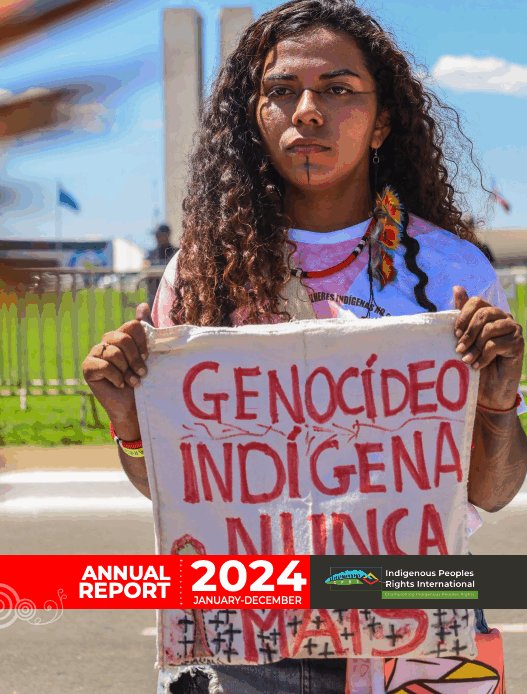
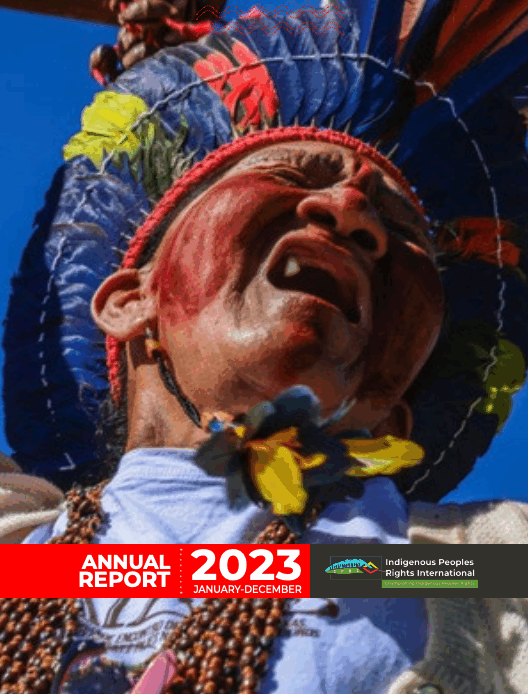
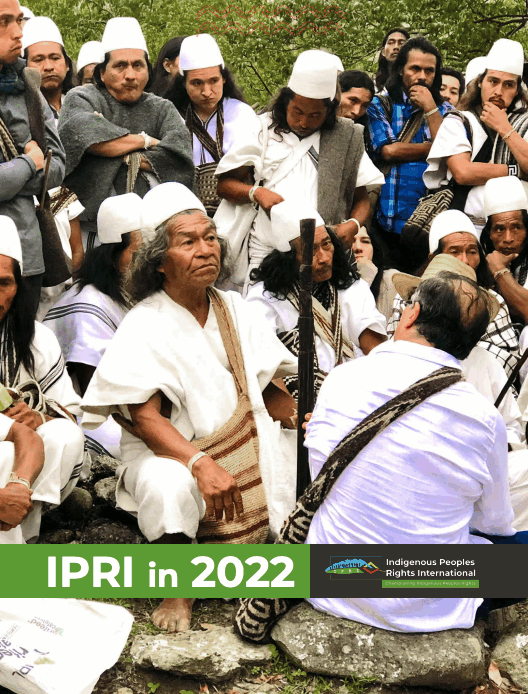
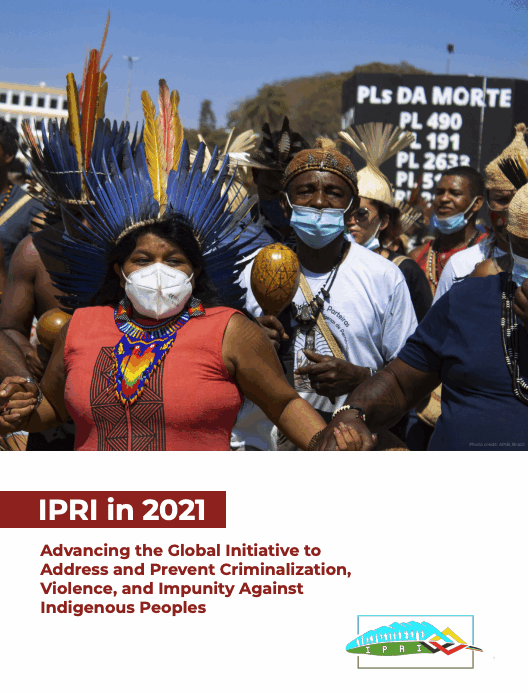
Annual Reports